Nov 21, 2011
Zaireey@Pendidikan Jasmani Dan Sains Sukan: Rehabilitation of the Achilles Tendon
Zaireey@Pendidikan Jasmani Dan Sains Sukan: Rehabilitation of the Achilles Tendon: By Kim Christensen, DC, DACRB, CCSP, CSCS at http://www.dynamicchiropractic.com/mpacms/dc/article.php?id=9269 With acute injury an initi...

Oct 23, 2011
Marco Simoncelli


The Honda family is mourning the loss of one its rising stars, the charismatic Italian Marco Simoncelli, who lost his life in a racing accident in today's Malaysian Grand Prix in Sepang.
Oct 22, 2011
Causes of Achilles Tendon Injury
Achilles tendon injuries can be caused by: overuse, misalignment, improper footwear, medication side effects, and/or accidents. Multiple causes often contribute to the same Achilles tendon injury. For example: a sudden increase in hill climbing, worn out shoes, and weak or tight calf muscles could all contribute to Achilles tendinosis and Achilles tendonitis. Overuse
Misalignment
Improper Footwear
Medication Side Effects
|
AchillesTendon

http://www.achillestendon.com/
Oct 8, 2011
Cervical cancer
Cancer is a disease in wich cell in the body grow out of control. When cancer starts in the cevix it is called cervical cancer. The cervix is the lower, narrow end of the uterus. Also know as the womb, the uterus is where a baby grows when a women is pregnant. The cervix connects the upper part of the uterus to the vagina(the birth canal).

What are the symptoms?
Abnormal cervical cell changes rarely cause symptoms. But you may have symptoms if those cell changes grow into cervical cancer. Symptoms of cervical cancer may include:

- Bleeding from the vagina that is not normal, or a change in your menstrual cycle that you can't explain.
- Bleeding when something comes in contact with your cervix, such as during sex or when you put in a diaphragm.
- Pain during sex.
- Vaginal discharge that is tinged with blood.
Read More
Sep 23, 2011
Uric Acid
Uric Acid is a waste product from the break down of purine, a substance that is made within our body and found in many of the foods we eat. It is excreted through our urine,but when too much uric acid bulids up it can cause attacks of painful arthritis(gout) especially in toes and fingers. It can also result in kidney stones and blockage in the kidney.
Sep 16, 2011
ION DEFICIENCY ANEMIA
What are the common causes of Ion Deficiency Anemia?
- Blood loss due to heavy menstrual bleeding, stomach ulcer, colorectal cancer or uterine fibroids.
- Inappropriate diet, unbalance diet and inability to absorb ion due to intestinal disorder or diseases. Some medications can also interfere with ion absorption.
- Pregnancy due to increased blood volume demand from going fetus.
Am I at Risk of Developing Ion Deficiency Anemia?
- Those who are at higher risk includes.
- women with heavy menstruation.
- Pregnant or lactating women.
- Infants, children or adolescents in rapid growth phases.
- People with poor dietary intake of ion
- People with stomach ulcer disease or colon cancer.
- Post-surgery patients.
Why should I Treat Anemia?
Iron deficiency anemia if left untreated can become severe and lead to health problems such as,
- Irregular heartbeat which can lead to heart disease.
- problem during pregnancy which may lead to premature births or low birth weight baby.
- delayed growth, mental and physical development in children.
Try to eat food that are rich in ion together with orange juice or vitamin C tablet. Vitamin C will help to increase iron absorption. Increase fluid and fiber intake when taking ion supplement to minimize initial discomfort of constipation. Ion deficiency cannot be corrected overnight. You may need to take ion supplements for several months or longer to replenish your ion reserves.
Read More at ;
Sep 15, 2011
Anemia
What is Amemia?
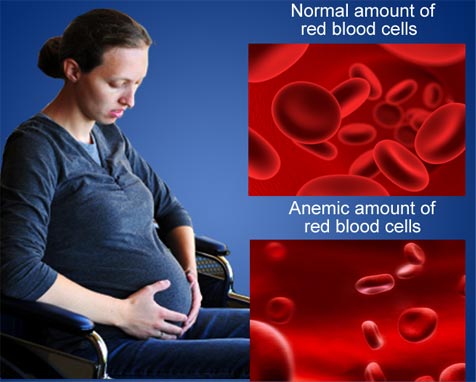
Iron Deficiency Anemia(IDA) is a condition in which the blood lacks healty red blood cells to carry oxygen to tissues. Our body needs iron to make hemoglobin. without hemoglobin, red blood cells cannot carry oxygen. All tissues and cells in the body depend on oxygen to function properly. IDA is common especially in women. About 30% of non-pregnant women of reproductive age, 38% of pregnant women and 14% of men in rural areas are iron deficient in Malaysia.


Iron Deficiency Anemia(IDA) is a condition in which the blood lacks healty red blood cells to carry oxygen to tissues. Our body needs iron to make hemoglobin. without hemoglobin, red blood cells cannot carry oxygen. All tissues and cells in the body depend on oxygen to function properly. IDA is common especially in women. About 30% of non-pregnant women of reproductive age, 38% of pregnant women and 14% of men in rural areas are iron deficient in Malaysia.


Überweisung:
Sep 13, 2011
Subscribe to:
Posts (Atom)

